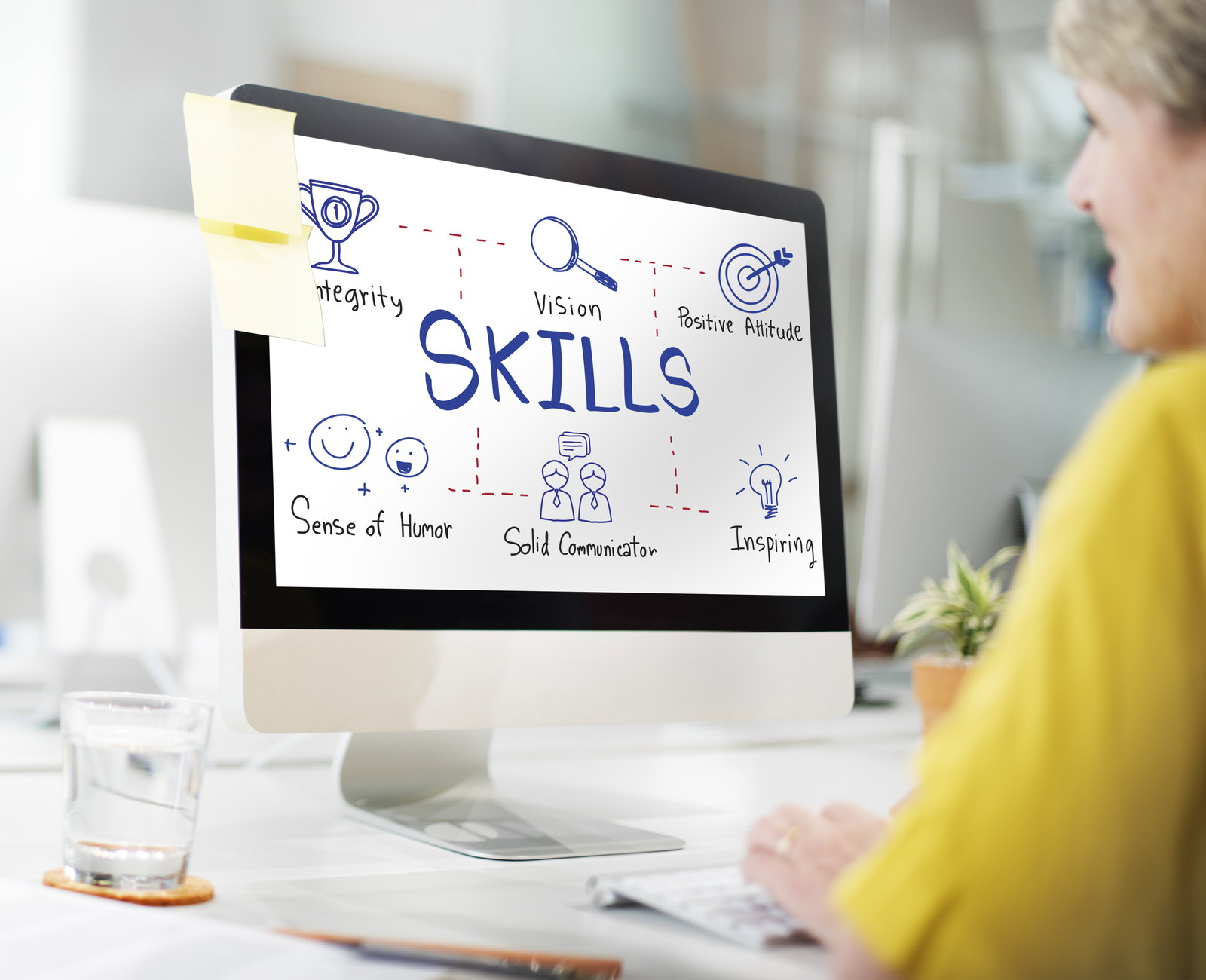
Career growth is often associated with technical knowledge, qualifications, and experience. However, over time, many professionals notice that how they communicate, adapt, and collaborate can influence their progress just as much. Soft skills play a steady role in shaping workplace interactions, learning opportunities, and professional relationships, making them an important part of long-term career development.
Understanding Soft Skills in the Workplace
Soft skills generally refer to personal and interpersonal abilities such as communication, adaptability, teamwork, and emotional awareness. These skills influence how individuals interact with colleagues, manage responsibilities, and respond to workplace situations. Unlike technical skills, they are not tied to a specific role and can be applied across industries and job functions.
In many work environments, soft skills support day-to-day effectiveness rather than standing out as isolated achievements. They often shape how ideas are shared, how feedback is received, and how challenges are addressed. Over time, consistent use of these skills can help professionals navigate changing expectations and build trust within teams.
Communication as a Foundation for Growth
Clear and thoughtful communication helps reduce misunderstandings and supports smoother collaboration. Whether written or verbal, communication skills influence how tasks are explained, how concerns are raised, and how progress is discussed. As responsibilities grow, the ability to communicate clearly often becomes more relevant than the technical complexity of the work itself.
Strong communication also supports learning and professional development. Asking questions, seeking feedback, and sharing perspectives are easier when communication feels respectful and open. Over the long term, this can help individuals stay aligned with team goals and adapt to new roles or expectations more comfortably.
Adaptability and Learning Over Time
Work environments continue to evolve due to technology, organizational changes, and shifting priorities. Adaptability helps professionals respond to these changes without feeling overwhelmed. It involves staying open to new ideas, adjusting workflows, and approaching unfamiliar situations with a willingness to learn rather than resist.
Over the course of a career, adaptability can support smoother transitions between roles, teams, or even industries. It allows individuals to build confidence in unfamiliar settings and develop resilience when plans change. This steady flexibility often contributes to sustained growth rather than rapid but short-lived progress.
Teamwork and Professional Relationships
Most roles involve collaboration at some level, making teamwork a practical soft skill. The ability to work well with others includes listening, respecting different viewpoints, and contributing constructively to shared goals. These behaviors help create balanced work environments where responsibilities and challenges are managed collectively.
Long-term career growth is often supported by professional relationships built on trust and reliability. Teamwork skills can strengthen these relationships over time, making collaboration more effective and less stressful. Such connections may also create opportunities for mentorship, learning, and broader exposure within an organization.
Emotional Awareness and Workplace Balance
Emotional awareness involves recognizing one’s own reactions as well as understanding the perspectives of others. In professional settings, this can support thoughtful decision-making, conflict resolution, and respectful communication. It helps individuals respond calmly in challenging situations rather than reacting impulsively.
As careers progress, emotional awareness can contribute to healthier work habits and more balanced interactions. It may help professionals manage pressure, receive feedback constructively, and maintain focus during demanding periods. Over time, this awareness supports consistent performance and personal well-being at work.
Leadership, Responsibility, and Influence
Leadership is not limited to formal titles. Soft skills often influence how responsibility is handled and how influence develops within teams. Skills such as active listening, fairness, and clear communication help individuals guide discussions and support group outcomes without relying on authority.
As professionals gain experience, these qualities can shape how others perceive their reliability and judgment. This perception may gradually lead to greater responsibility or involvement in decision-making processes. Soft skills, in this sense, support organic growth built on trust rather than position alone.
Conclusion
Soft skills do not replace technical expertise, but they complement it throughout a career. By supporting communication, adaptability, collaboration, and emotional balance, they help professionals navigate long-term growth more steadily. Over time, these skills contribute to sustainable progress and meaningful engagement in the workplace.