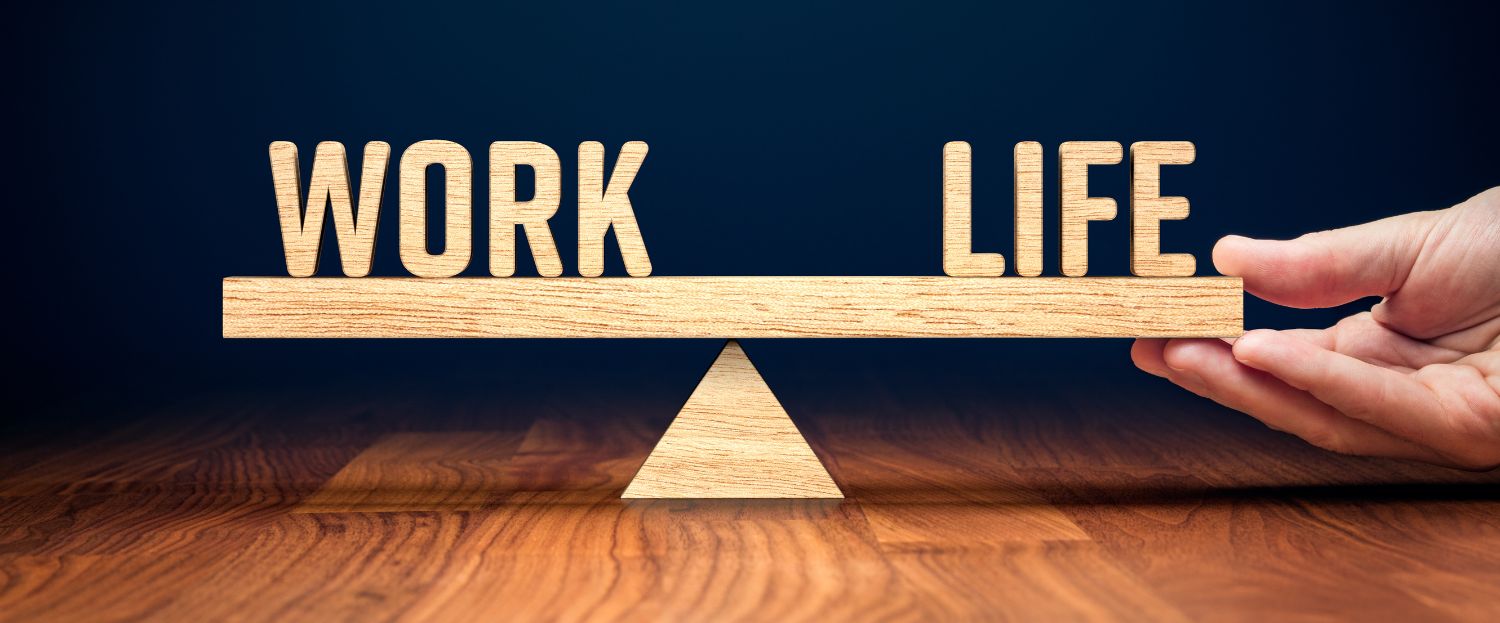
Work-life balance is an important aspect of professional and personal well-being. Different job roles, responsibilities, and workplace environments can significantly influence how employees allocate time between work and personal life. Understanding how jobs shape these choices can help individuals manage priorities, set realistic expectations, and make informed decisions that support both career growth and personal satisfaction.
Job Responsibilities and Time Allocation
The nature of a job heavily impacts the amount of time and energy employees dedicate to work versus personal life. Roles with fixed schedules and predictable workloads may allow for consistent routines, while positions requiring long hours, frequent travel, or tight deadlines can limit personal time. Employees must navigate these demands, often adjusting priorities or developing strategies to maintain balance.
Job responsibilities also influence stress levels and the capacity to disconnect after work. For instance, high-pressure roles with constant deliverables may make it challenging to maintain personal commitments. Learning to manage tasks efficiently, communicate boundaries, and plan schedules can help employees protect personal time without compromising professional obligations, reinforcing a balanced approach to work-life integration.
Flexible Work Arrangements
Jobs that offer flexible hours or remote work options provide employees with opportunities to tailor schedules according to personal needs. Flexibility allows individuals to accommodate family commitments, education, or health-related responsibilities while maintaining professional performance. Such arrangements can enhance overall satisfaction and reduce stress by aligning work expectations with life demands.
For example, a marketing coordinator working remotely two days a week can attend family appointments without disrupting project timelines. By structuring their day efficiently, they can meet work expectations while also fulfilling personal responsibilities. This illustrates how job characteristics, particularly flexibility, directly influence the ability to balance professional and personal priorities effectively.
Organizational Culture and Policies
Organizational culture and policies play a critical role in shaping work-life balance choices. Companies that prioritize employee well-being, encourage time off, and respect boundaries create an environment where individuals feel comfortable managing personal and professional commitments. Conversely, cultures that emphasize long hours or constant availability can pressure employees to sacrifice personal time, affecting satisfaction and well-being.
Supportive policies, such as parental leave, wellness programs, and clear expectations for availability, empower employees to make choices aligned with personal priorities. Employees can plan their schedules more confidently, knowing organizational expectations support balance. Over time, these cultural elements influence how employees approach work, manage stress, and make decisions about professional engagement.
Job Role and Workload Intensity
The intensity of a job influences both energy levels and the capacity to maintain balance. Roles with high cognitive or physical demands, tight deadlines, or multiple responsibilities can increase stress and limit flexibility in daily routines. Employees often need to manage workload strategically to maintain personal time and prevent burnout.
Even in structured roles, managing task prioritization and efficiency becomes essential. For example, a project manager overseeing multiple initiatives may develop systems to delegate tasks, schedule focused work periods, and allocate time for personal activities. The role itself shapes the strategies individuals employ to balance responsibilities, demonstrating how workload intensity directly impacts work-life balance choices.
Career Stage and Work-Life Decisions
The career stage often determines the influence of a job on work-life balance. Early-career employees may accept demanding hours to gain experience, while mid-career professionals may prioritize stability, flexibility, or personal commitments. Senior professionals may have greater autonomy but also increased responsibilities, requiring deliberate planning to maintain balance between work and personal life.
Additionally, employees may adjust priorities depending on personal circumstances, such as family obligations or health considerations. For instance, someone returning to work after parental leave might choose roles with flexible schedules or reduced travel to align with caregiving responsibilities. Jobs, therefore, influence how individuals make choices throughout different phases of their professional journey.
Technological Impact on Balance
Technology affects how work extends into personal life, even in structured roles. Remote communication tools, email, and collaborative platforms allow for flexibility but can also blur boundaries between work and personal time. Employees must navigate these tools carefully, deciding when to engage and when to disconnect to maintain balance.
Effective use of technology involves setting clear expectations with colleagues, using scheduling tools, and establishing boundaries for availability. For instance, professionals may designate specific times for checking emails or participating in virtual meetings to prevent work from encroaching on personal activities. This demonstrates that job-related technology shapes work-life balance decisions in modern workplaces.
Conclusion
Jobs influence work-life balance through responsibilities, flexibility, organizational culture, workload, career stage, and technology. Understanding these factors allows employees to make informed choices, manage stress, and allocate time effectively between work and personal life. By recognizing the interplay between job characteristics and personal priorities, individuals can navigate their professional environment while maintaining satisfaction and well-being.